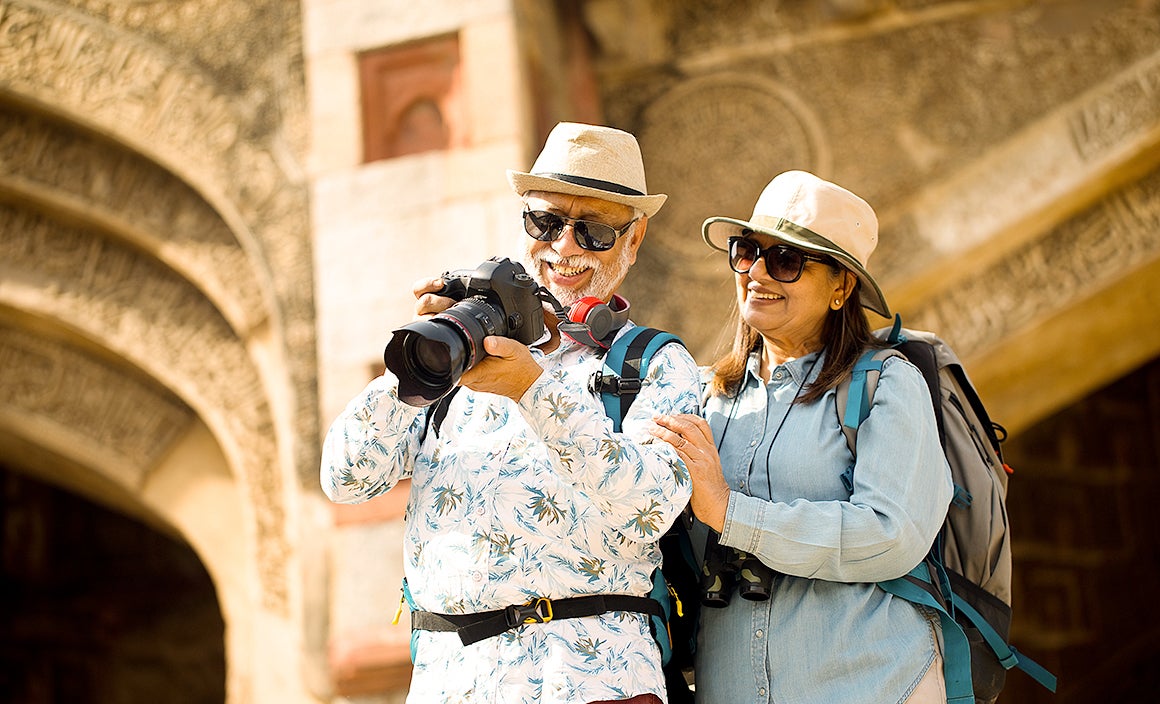
What every senior needs to know about traveling outside the U.S.
Traveling abroad after 60 is an exciting milestone—and it can also raise new questions about health coverage, medical care and preparation. With a little planning and the right support, you can protect your health, avoid surprises and focus on enjoying the journey. The tips below can help you feel informed, prepared and confident before you go.
1. Understand how Medicare works overseas.
It’s common to assume your domestic health insurance will cover you when you travel internationally. In reality, that coverage often ends once you leave the United States.
Original Medicare generally does not cover care received abroad. Some Medicare Advantage plans may offer limited coverage, and certain Medicare Supplement plans include overseas benefits—but those benefits are often capped by dollar limits, restricted to specific situations or limited in duration.
As a result, services such as emergency medical care, urgent treatment, medical evacuation and help navigating a foreign health system are typically not included. That’s why the U.S. government advises international travelers to supplement their domestic coverage before going abroad. Having travel medical insurance in place can help close these gaps and give you access to care and support when you need it most.
2. Plan for medical issues, big and small.
Medical emergencies can happen at any age, and they don’t always look the way you expect.
While traveling, issues can range from losing a prescription or needing treatment for a minor infection to more serious situations that require hospitalization. Language barriers, unfamiliar hospitals and payment requirements can make even routine care more stressful in another country.
Before you leave, it’s worth exploring international medical insurance options that can support you if something unexpected happens during your trip. Some plans include benefits related to pre‑existing conditions, which can be especially important for seniors managing chronic health concerns. Coverage varies by plan, so reviewing the details carefully is key.
Blue Cross Blue Shield Global SolutionsSM (BCBS Global SolutionsSM) offers travel medical plans that provide access to global provider networks and support services while you’re abroad.
3. Prepare your medications and medical information.
One of the most important steps you can take is packing enough prescription medication for your entire trip—plus a few extra doses, just in case.
Keep medications in their original, labeled containers, and pack them in your carry-on bag so they stay with you throughout your journey. It’s also helpful to carry copies of your prescriptions and a list of your current medications.
If you need care while traveling, having this information readily available can make treatment faster and easier.
Plans from BCBS Global Solutions include access to a medical translation tool through the Member Portal and mobile app. This can help you translate medical terms and identify medication equivalents in other countries, where drug names may differ. Some plans, including ours, can also assist with replacing lost prescriptions, offering added peace of mind when things don’t go as planned.
4. Protect your finances from unexpected costs.
In some countries, hospitals require payment before providing treatment, and emergency medical transportation or evacuation can be expensive.
Planning ahead helps you avoid difficult financial decisions during an already stressful moment—and protects the savings you’ve worked hard to build. Travel medical coverage isn’t just about access to care; it’s also about financial protection and peace of mind while you’re away from home.
5. Stay informed about your destination.
Researching the best restaurants, museums and tours is a fun part of planning your trip. It’s also important to stay informed about current events, health considerations and safety updates in the places you’ll visit.
Through the BCBS Global Solutions mobile app and Member Portal, you can access destination‑specific news alerts, security profiles and U.S. embassy information. Important updates appear right on your home screen, making it easier to stay informed throughout your trip.
6. Be mindful of what you share online.
Sharing travel excitement on social media is tempting, but posting details before or during your trip can increase the risk of scams or theft.
Public posts announcing your travel plans may signal that your home is empty or make you an easier target while abroad. Consider waiting to share photos and updates until you return home.
In the meantime, share your itinerary only with trusted family members or friends who can check in if needed. You can still send your family photos of your trip! Just wait to post everything when you’re back home.
Everyone will still be excited to comment when you’re back! And having that little boost post-vacation can feel even better.